
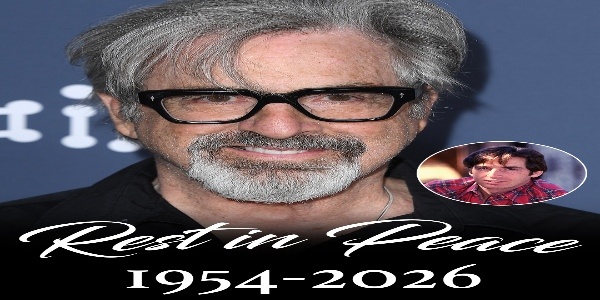
Robert Carradine’s death wasn’t gentle. It was the final, shattering beat in a 20–year war he fought mostly alone. Fans saw a soft–spoken comic soul; his family watched the light leave his eyes in slow motion. Now they’re done protecting our comfort. They’re naming the illness. They’re naming the cost. They’re begging us to finally face the ment
Robert Carradine’s family is now speaking with a clarity that feels both devastating and necessary. For years, they watched him move from set to set, convention to convention, carrying the weight of bipolar disorder like a secret fracture. The world saw the roles, the autographs, the easy laugh; they saw the nights that wouldn’t end, the mornings when getting out of bed was its own impossible stunt.
By naming his illness, they’re refusing the soft-focus version of his legacy. They want us to understand that mental illness is not a character flaw, not a private shame, but a medical reality that can kill as surely as any disease we can see on a scan. Their plea is simple and searing: take the dark feelings seriously, ask twice when someone shrugs you off, push past the jokes and the deflections. Remember Robert Carradine not only for what he gave us on screen, but for the warning his story now carries for everyone still silently fighting.