
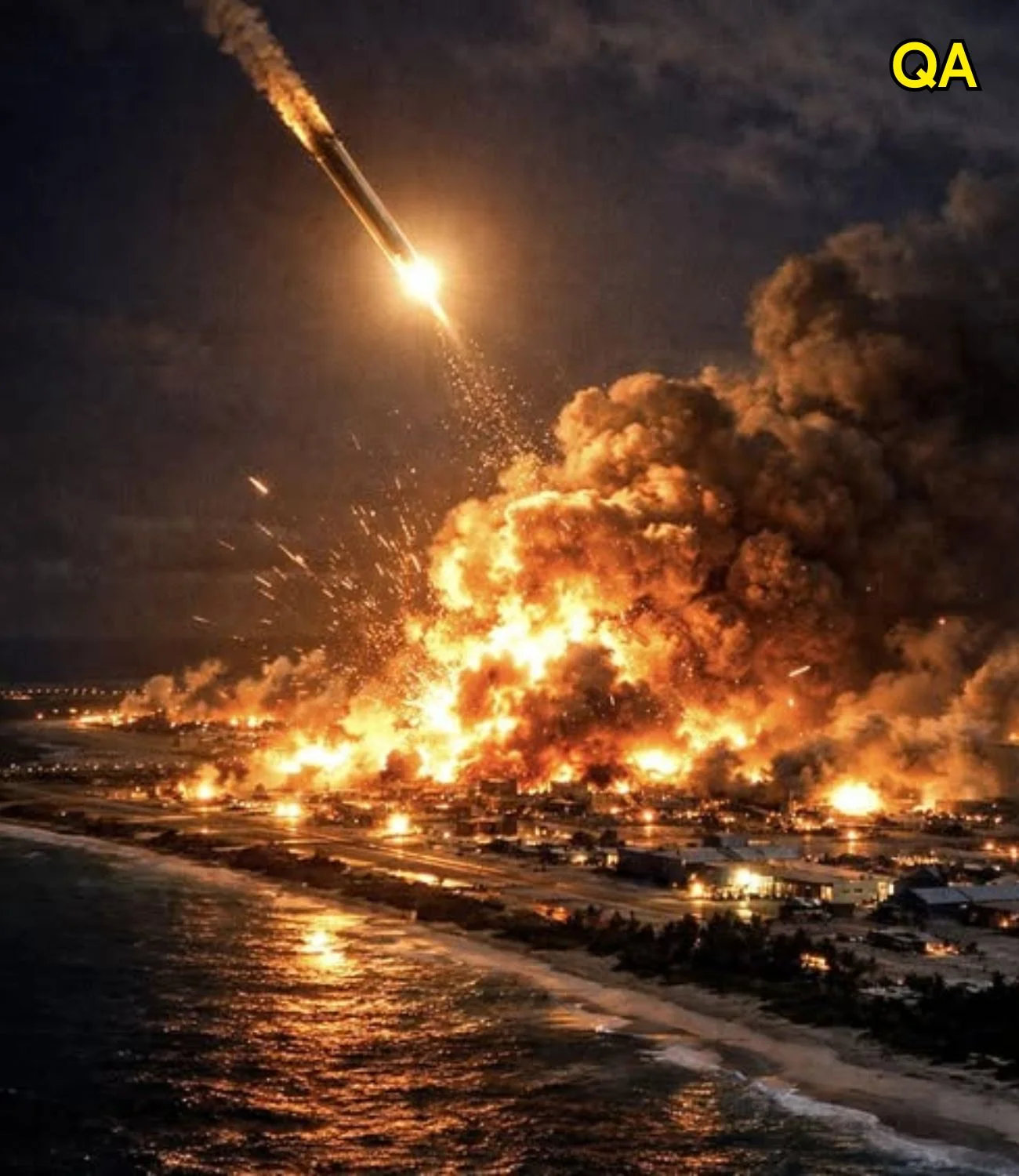
Is the U.S. on “High Alert”? A Reality Check on Global Tensions (2026)
Here’s a fact-based, realistic article-style explanation of the topic—without hype, speculation, or misinformation:
As of now, there is no official nationwide “high alert” warning issued to the public by the U.S. government or its major agencies. While global tensions remain elevated in several regions, public messaging from authorities continues to emphasize monitoring, deterrence, and diplomacy—not imminent catastrophe.
What’s Actually Happening Globally?
Several ongoing conflicts and rivalries contribute to a tense international environment:
- The war in Ukraine involving Russia
- Instability and conflict risks in the Middle East
- Strategic competition between the United States and China
These situations are serious, but analysts at organizations like the Council on Foreign Relations stress that none currently indicate an imminent global war or nuclear exchange.
How Nuclear Strategy Actually Works
Experts in nuclear policy—such as those at the RAND Corporation—explain that nuclear deterrence is built around preventing war, not fighting one.
A key concept is counterforce targeting, which focuses on:
- Missile silos
- Military bases
- Command and control systems
This means that in theory, strategic military sites would be prioritized—not random civilian populations.
However, this is theoretical modeling, not an active or unfolding plan.
Are Some Places More “At Risk”?
From a purely academic standpoint, analysts often note that areas with major military infrastructure—such as missile bases or command centers—could be considered higher-value targets in a hypothetical scenario.
These include parts of:
- The northern Great Plains (missile silo regions)
- Areas with major command facilities
But experts emphasize:
This does not mean those places are in danger today.
There is no current warning advising people to relocate or avoid specific regions.
Why Viral “WW3 Survival Maps” Mislead
Content circulating online often:
- Treats Cold War-era theories as current events
- Ignores diplomatic safeguards and deterrence systems
- Uses fear-driven language to gain attention
Institutions like the Brookings Institution consistently point out that modern nuclear policy is designed to avoid escalation, not predict it as inevitable.
The Bigger Picture: Deterrence, Not Doom
The global nuclear system is based on a principle called deterrence—meaning:
The existence of nuclear weapons is meant to prevent their use, not make it likely.
Even during periods of tension, countries maintain:
- Communication channels
- De-escalation protocols
- Diplomatic engagement
- There is no credible “high alert” warning in the U.S. right now
- Discussions about nuclear targets are academic, not predictive
- Global tensions are real—but not at the level of imminent world war